What is
Hypnotherapy?
Hypnotherapy is a therapeutic method that uses hypnosis in order to modify your behaviors and habits. During a hypnotherapy session, you enter a very deep and relaxing state, called a trance, in which the subconscious mind becomes open and able to accept new ideas and new behaviors.
Guided by a hypnotherapist, specific suggestions are fed into the subconscious mind so that later you respond to life situations in a new and more positive way. For example, when we use hypnotherapy to deal with anxiety, suggestions of peace and reacting calmly to stressful situations are implemented into the subconscious mind. As a result, you automatically (without conscious thinking) react to your daily life in a new, calmer way.
“You are not a helpless victim of your thoughts, But rather a MASTER of your own MIND.” – Louise L Hay

Hypnotherapy for Healing and Recovery: Backed by Research and Leading Medical Centers
Over the last 70 years, hypnotherapy is being more and more acknowledged as a supportive therapy for medical use. Healthcare facilities such: Mayo Clinic, Cleveland Clinic or Memorial Sloan Kettering Cancer Center, are recommending hypnotherapy in recovery. Worldwide sport teams are hiring hypnotherapists working with coaches to reassure the best possible performance of teams and athletes.
Hypnotherapy is very effective and it has a 93% success rate in just 6 sessions versus traditional psychoanalysis therapy with 38% in 600 sessions.
*Source: Barrios, Alfred A. “Hypnotherapy: A Reappraisal,” Psychotherapy: Theory, Research and Practice (1970)
Hypnotherapy targets specific issues and causes of unwanted behaviors and at the same time reverses or changes them to desired ones.
Hypnotherapy is always performed by hypnotherapists. Hypnotherapists go through extensive training allowing them to not only deal with specific issues but to be able quickly detect the root cause of the problem, how the mind operates and what technique will work. The most beneficial hypnotherapy sessions are 1-on-1 as each one is tailored to the specific needs of a person using that person’s language to communicate with the subconscious mind.
Hypnosis, on another hand, is a very broad approach like “one size fits all”. It may work or may not.
There are different techniques, for example, it can be done by:
- Reversing a root cause of the issue like phobias
- Neutralizing emotional attachment to traumatic events in life
- Changing reactions to certain situations
- Restoring or creating a positive approach to yourself and life
- Resolving internal conflicts
- Reversing cravings in addictions

“The mind can make a heaven out of hell, or a hell out of heaven.” – John Milton
Hypnotherapy Frequently Asked Questions:

What is Hypnotherapy Used For?
- Healing emotional and physical pain from abuse, anger, abandonment, rejection and more
- Sleep disorders
- Stress reduction
- Anxiety
- Depression
- Grief and Loss
- Bad Habits
- Digestive Orders
How Does Hypnotherapy Work? Is it the same as Hypnosis?
Many people ask these two questions thinking that hypnosis and hypnotherapy means the same when actually they describe two different things.
Hypnosis is a state of relaxation in which our mind completely shuts down or is wandering wherever it wants to go, which can answer the question “How does hypnosis work on the brain?”
In hypnotherapy sessions, hypnosis is used to guide the person into a deep state of relaxation where the mind is directed to create a hyper-focus which allows for new learning. While in this state, the therapy part is done by immediately feeding specific suggestions to the subconscious mind. As a result, the behavior is changed towards something the client desires.
It’s like installing new programs or updates into a computer or phone. The difference, however, is that your programs influence how you think, feel and act automatically.
Hypnotherapy always targets the specific needs and wants of a person.
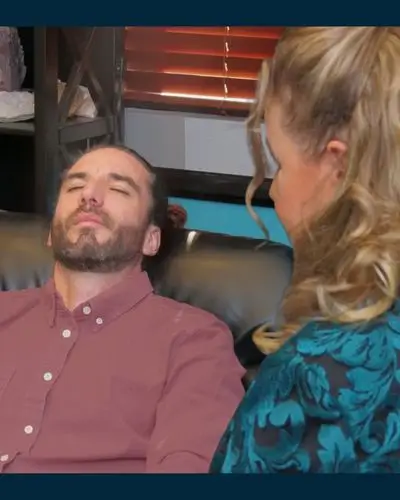
What happens in a hypnotherapy session?

The hypnotherapy session can be done in a chair or in a recliner in a very comfortable position. With the guidance of a hypnotherapist, the client is put in a state of deep relaxation; at some point closing their eyes and entering a hypnotic trance. While in the trance the person always hears suggestions and ultimately decides to follow them or not. Controlling someone else’s mind is a myth and nobody can be forced to do anything against their will in the trance.
Hypnotherapy session starts with a cognitive talk followed by the induction into a hypnotic trance which lasts a minimum of 20 minutes.
Read Testimonials written by clients who have experienced the benefits of hypnotherapy.
How do you feel after hypnosis?
After hypnosis or hypnotherapy session people feel very relaxed and calm. Most people describe as the weight has been lifted off their shoulders and they feel much lighter.
Hypnosis creates the same brain waves as meditation making the entire physical body and mind to relax and reset itself to balance. Hypnosis is an amazing tool helping to develop meditation practice and mindfulness.

How many sessions of hypnotherapy for anxiety do I need?
Generally, it takes between 6-12 sessions to release anxiety. It may take longer if the anxiety is a part of daily experience for many years.
Research shows that hypnotherapy creates new neural pathways in the brain making sure we feel more peaceful and in control of our emotions all the time.
Can everyone be hypnotized?

Have you ever forgotten to close the door or missed the turn while driving? You were in a hypnotic state. Most people can be hypnotized as hypnotic state occurs every day in everyone’s life. It’s a similar state of being completely absorbed in the movie or a book or drifting somewhere else in your own mind detached from reality.
For people suffering delusions, hallucinations or other psychotic symptoms, hypnotherapy or hypnosis is not recommended.
Can Hypnotherapy be done online?
Yes. There is no difference if hypnotherapy sessions are done in person, over Zoom or through any other video service as long as you are guided by a hypnotherapist and you are in a quiet place sitting or lying down comfortably. It’s all about being properly guided so your mind can receive the right information for you in order to change your behavior. It’s highly recommended that you switch off all notification sounds and have good earbuds or headsets for the best experience for hypnotherapy online.
Additional benefits of doing hypnotherapy from your own home over the phone, Zoom or any other video service:
- You will enter into a much deeper state of relaxation so the transformation will occur much more quickly.
- After each session in your home, you remain in a state of peace and your brain begins to accept it as your natural state for longer and longer periods of time.
- When you can remain on your bed or sofa for an hour or more after the hypnotherapy session, your brain begins to associate your bed or sofa with a beautiful state of relaxation, and you will sleep better and relax more easily at home.
- Your home will be associated with peace and relaxation so you will automatically be able to release stress when you return home each time. All the noises and distractions won’t affect you as before.
- Your hypnotherapy sessions are truly transformational experiences. At home you can journal about it to fully understand and strengthen that transformation by bringing it to the conscious mind level.